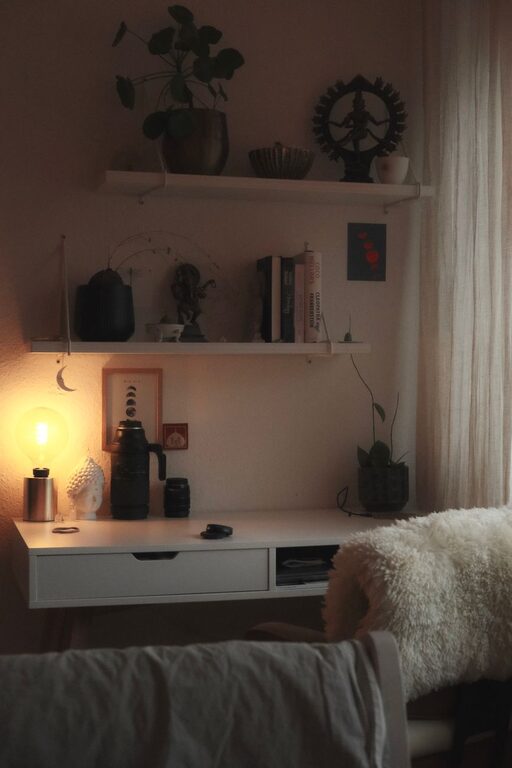
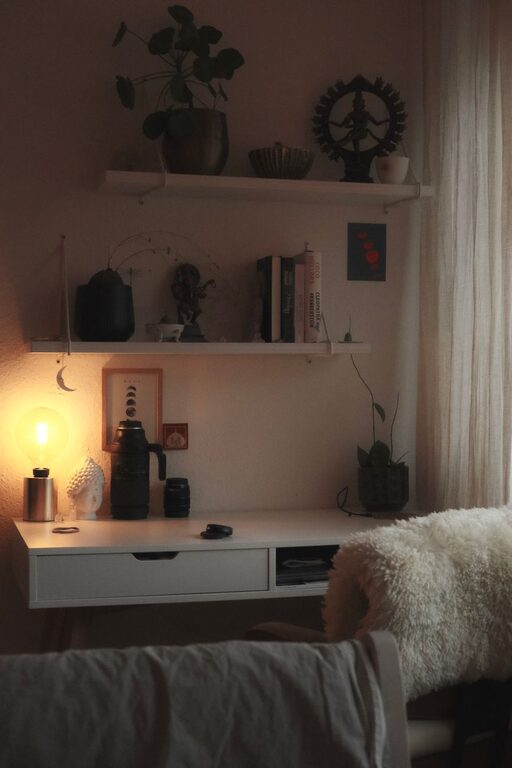
Creating a relaxing home workspace is essential for boosting productivity and maintaining a healthy work-life balance. Whether you work remotely full-time or occasionally, the environment where you spend your work hours can significantly impact your focus and overall well-being. In this post, we’ll explore practical tips to help you design a calm and comfortable workspace that encourages efficiency and reduces stress.
Why a Relaxing Workspace Matters
A cluttered or uncomfortable workspace can lead to distractions, decreased motivation, and even physical discomfort. On the other hand, a thoughtfully designed environment promotes better concentration, inspires creativity, and supports a positive mindset. When your workspace feels inviting and peaceful, you’re more likely to enjoy your work and get tasks done on time.
Choose the Right Location
The first step in creating a relaxing workspace is selecting the best spot in your home.
– Natural Light: Aim for a location with plenty of natural light, as sunlight can improve mood and energy levels. Position your desk near a window if possible.
– Quiet Area: Choose a space away from noisy areas or heavy foot traffic. This helps minimize distractions and allows you to focus better.
– Space Considerations: Your workspace should have enough room for all your necessary equipment and supplies without feeling cramped.
If space is limited, consider using a corner of a room or repurposing an underused area such as a nook or dining room.
Invest in Comfortable Furniture
Comfort is key for a relaxing and productive workspace.
– Ergonomic Chair: A supportive chair that encourages good posture reduces the risk of back pain and fatigue during long work sessions.
– Desk Height: Ensure your desk height allows your arms to rest comfortably while typing, with your feet flat on the floor.
– Flexibility: Adjustable chairs or desks (such as standing desks) can promote movement throughout the day and prevent stiffness.
Don’t overlook accessories like footrests, wrist supports, or cushions to enhance comfort further.
Declutter and Organize
A tidy workspace contributes to a clear mind and reduces stress.
– Minimize Items: Keep only the essentials on your desk. Store other items in drawers or shelves.
– Use Organizers: Desk trays, file holders, and cable management tools help keep everything in order.
– Regular Clean-Up: Spend a few minutes at the end of each day tidying your workspace to maintain a neat and inviting area.
An organized desk not only looks better but makes it easier to find what you need quickly.
Personalize Your Space
Adding personal touches can make your workspace feel more welcoming and inspiring.
– Decor: Incorporate elements like artwork, photos, or decorative objects that bring you joy.
– Plants: Indoor plants improve air quality and add a calming natural element.
– Colors: Choose soothing colors for your workspace or accessories. Soft blues, greens, or neutrals often promote relaxation.
While personalization is important, try to avoid overly busy or distracting decorations.
Optimize Lighting
Proper lighting reduces eye strain and helps maintain alertness.
– Use Multiple Light Sources: Combine overhead lights with task lighting, such as desk lamps.
– Avoid Glare: Position screens and light sources to minimize reflections and glare.
– Adjust Brightness: Consider dimmable lights so you can tailor brightness to the time of day and task.
A well-lit workspace supports productivity and comfort, especially during darker hours.
Maintain Good Air Quality
Fresh air contributes to alertness and health.
– Ventilation: Keep windows open when possible or use fans to circulate air.
– Air Purifiers: Consider an air purifier if your space is prone to dust or allergens.
– Plants: As mentioned, plants not only add charm but also help purify the air.
A fresh-smelling and breathable room supports better focus and reduces fatigue.
Incorporate Break Areas and Movement
Taking regular breaks and moving around can refresh the mind and body.
– Designate a Rest Spot: If possible, create a small area near your workspace for stretching or relaxing away from your desk.
– Set Reminders: Use timers or apps to remind yourself to stand, stretch, or walk around every hour.
– Practice Simple Exercises: Neck stretches, shoulder rolls, or short walks can alleviate stiffness.
Balancing work with movement helps prevent burnout and maintains productivity throughout the day.
Set Boundaries and Create Routine
A relaxing workspace also involves managing work habits.
– Define Work Hours: Stick to regular working times to avoid overwork and allow time to unwind.
– Limit Distractions: Turn off unnecessary notifications and consider apps that block distracting websites.
– End-of-Day Ritual: Establish a routine to signal the end of your workday, such as shutting down your computer and tidying your desk.
Healthy boundaries make it easier to relax once work is done, keeping your workspace a positive zone.
Final Thoughts
Your home workspace plays a crucial role in your productivity and well-being. By selecting the right location, investing in comfortable furniture, maintaining an organized area, and adding personal touches, you can create a space that feels relaxing and energizing. Remember that small adjustments can make a big difference in how you feel and perform at work. Experiment with these tips and discover what works best for you to enjoy a productive and calm home office.