Creating a relaxing home office environment is essential for maintaining focus, reducing stress, and improving overall work productivity. Whether you are working remotely full-time or occasionally need a quiet spot, designing a comfortable and calming workspace can make a big difference in your daily routine. This guide offers practical tips to help you create a home office that feels inviting, organized, and relaxing.
Choose the Right Location
The foundation of a relaxing home office starts with selecting the right spot in your home.
– Natural light: Aim for a space that receives plenty of natural daylight. Natural light boosts mood and energy levels.
– Quiet area: Pick a location away from loud noises or heavy foot traffic to minimize distractions.
– Adequate space: Ensure there is enough room for your desk, chair, and any storage you need without feeling cramped.
If space is limited, try to find a corner or section of a room that can be dedicated to work.
Invest in Comfortable Furniture
Comfort is key to staying relaxed and focused during long working hours.
– Ergonomic chair: Choose a chair that supports good posture and reduces back strain. Adjustable height and lumbar support are important features.
– Desk height: The desk should be at a height where your arms can rest comfortably parallel to the floor.
– Additional furniture: Consider a footrest, monitor stands, or adjustable keyboard trays to further improve ergonomics.
Taking care of your physical comfort can prevent fatigue and promote productivity.
Keep It Organized and Clutter-Free
A clear and tidy workspace directly affects the ability to concentrate.
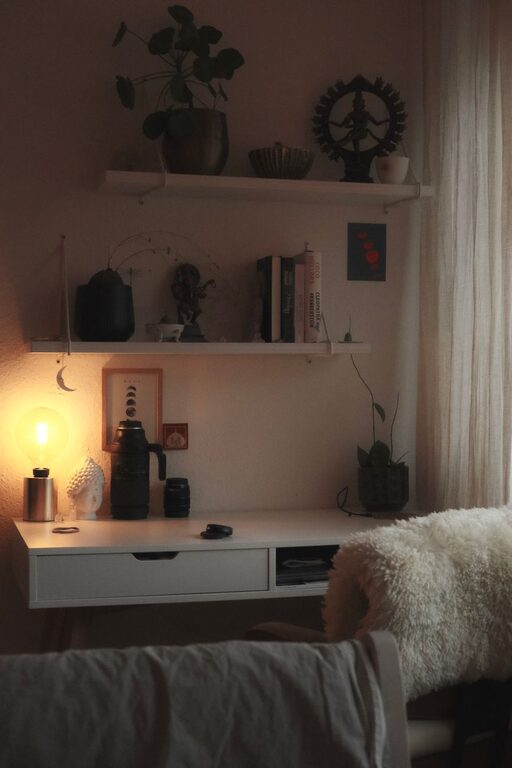
– Storage solutions: Use shelves, drawers, or filing cabinets to store papers and office supplies.
– Daily cleanup: Spend a few minutes each day putting away items and discarding unnecessary clutter.
– Cable management: Use clips, ties, or sleeves to keep cords neat and out of the way.
Organizing your environment reduces stress and helps you find what you need quickly.
Incorporate Calming Colors
Colors can influence mood and energy levels in your workspace.
– Soft tones: Shades like light blue, green, beige, or pastel colors tend to create a calming atmosphere.
– Accent colors: Adding small pops of color with accessories or artwork can add personality without overwhelming the space.
– Avoid harsh colors: Bright reds or intense patterns might be distracting or raise anxiety over time.
Paint, wallpaper, or decorative items can all contribute to the color scheme.
Add Greenery and Nature Elements
Bringing a touch of nature into your home office can improve well-being.
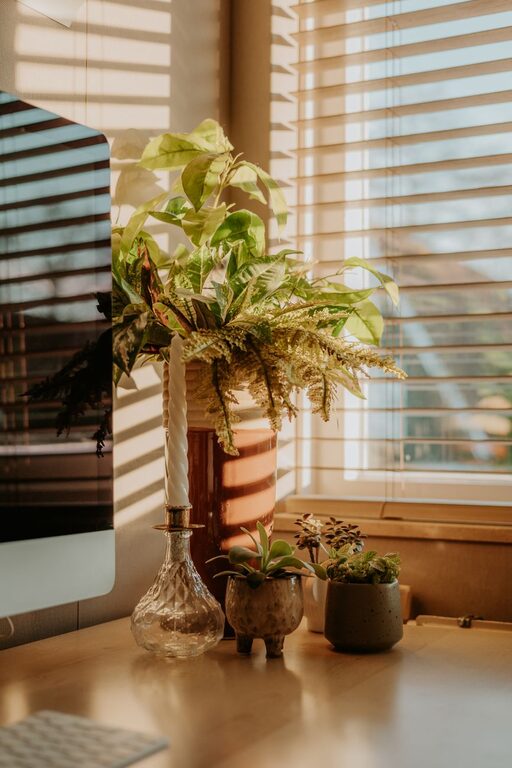
– Houseplants: Plants like succulents, peace lilies, or snake plants are easy to care for and improve air quality.
– Natural materials: Use wooden desks, bamboo accessories, or stone elements to add warmth.
– Views of nature: Position your desk near a window that offers a view of trees, sky, or gardens if possible.
Studies show that nature can help reduce stress and boost creativity.
Optimize Lighting
Proper lighting reduces eye strain and enhances mood.
– Task lighting: Use adjustable desk lamps for focused light on your workspace.
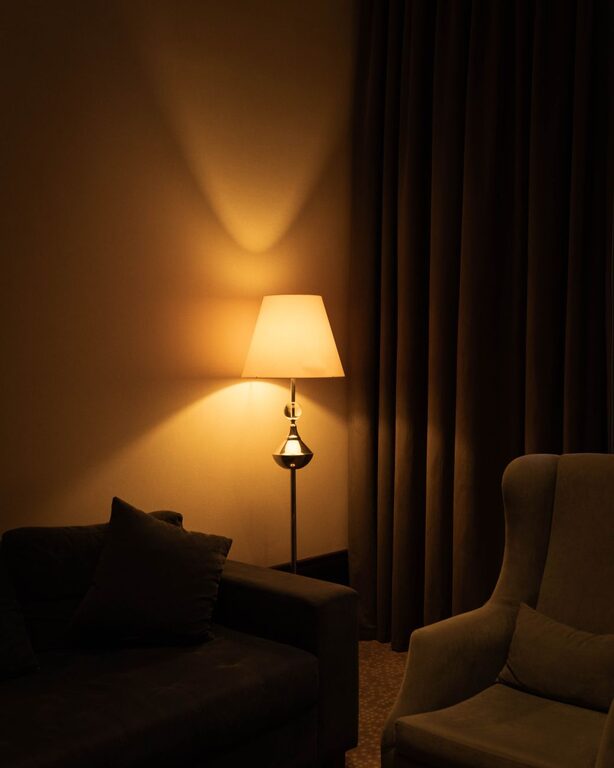
– Ambient lighting: Soft overhead lights or floor lamps can provide gentle background illumination.
– Avoid glare: Position screens and lamps to minimize reflections or harsh brightness.
Consider bulbs with warm color temperatures for a cozy and inviting feel.
Personalize Your Space
Adding personal touches can make your home office feel more welcoming and inspiring.
– Photos and artwork: Display images that make you happy or creative.
– Inspiration board: Pin quotes, goals, or ideas that motivate you.
– Comfort items: Keep a cozy blanket, favorite mug, or scented candle nearby.
Personalization helps your workspace feel like your own and reduces stress.
Manage Noise Levels
Keeping noise under control helps maintain concentration.
– Noise-canceling headphones: Great for tuning out distractions or playing calming music.
– Soft background sounds: Consider white noise machines or nature sounds to create a peaceful audio environment.
– Soundproofing: Use rugs, curtains, or wall panels to absorb sound if your space is noisy.
A quieter environment supports better focus and relaxation.
Take Breaks and Move Regularly
Even the most relaxing space needs breaks for mental and physical health.
– Regular pauses: Follow the 20-20-20 rule – every 20 minutes, look at something 20 feet away for 20 seconds.
– Stretching: Stand up, stretch, or take a short walk to relieve tension.
– Separate areas: If possible, have a spot distinct from your desk for breaks or lunch.
Maintaining movement and rest enhances comfort and productivity.
—
Creating a relaxing home office environment doesn’t require a big budget or a dedicated room. By thoughtfully selecting your location, prioritizing comfort and organization, incorporating soothing colors and nature, and managing lighting and noise, you can build a workspace that supports your best work and wellbeing. Small changes can have a significant impact, helping you enjoy your time working from home.